News

Featured Products

The MJS Method (Metro Jet System) utilizes a specially designed porous pipe and front-end device to achieve stratum cutting via high-pressure jet flow and inject hardening materials. Combined with an active sludge discharge system and real-time underground pressure monitoring technology, it precisely regulates construction pressure to ensure stable pile-forming quality, while significantly reducing disturbance to the surrounding environment. It is suitable for multi-angle and large-depth foundation reinforcement projects.
A mixing plant is a facility that combines raw materials like aggregates (sand, gravel), cement/bitumen, and water to produce construction materials such as concrete or asphalt for road building and other projects, with types ranging from large stationary setups for massive projects to mobile units for temporary or remote sites, focused on efficiency, quality, and precise material ratios.
Vibroflot Compaction is a deep compaction technique for densifying granular soils with less than 10 –15% silt present. This method is popular for improving reclaimed land. Under the influence of simultaneous vibration and saturation, loose sand and or gravel particles are repacked into a denser state and lateral confining pressure within the soil mass is increased.The Vibroflot is normally suspended from a standard crawler crane or a piling rig.
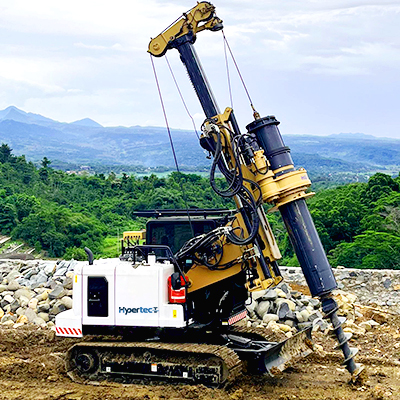
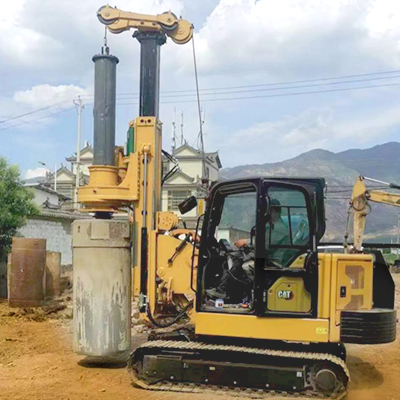
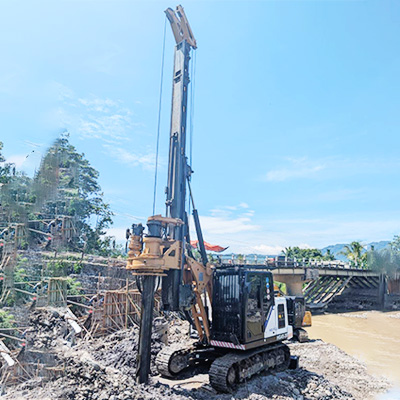
HPR35 Mini rotary drilling rig offers low clearance and lightweight construction as its core advantages, making it ideal for confined working environments and complex site access requirements.
Our foundation drilling tools are the toughest, strongest, and most durable ones in the construction industry.They are specifically designed for deep hole drilling in construction projects.Our cutting tools are renowned for their exceptional durability and wear resistance.These tools are widely used in the foundational construction of large structures such as buildings, bridges, and towers.
The Hydraulic Pile Breaker is user-friendly, requiring no special skills for operation. This reduces the risk of accidents and makes it accessible to a wide range of operators. Additionally, its maintenance is straightforward. The oil temperature should be kept below 70 °C, with the optimal operating temperature range being 35 - 55 °C. Under special conditions, proper heating or cooling measures should be taken.

Tell me what you need