

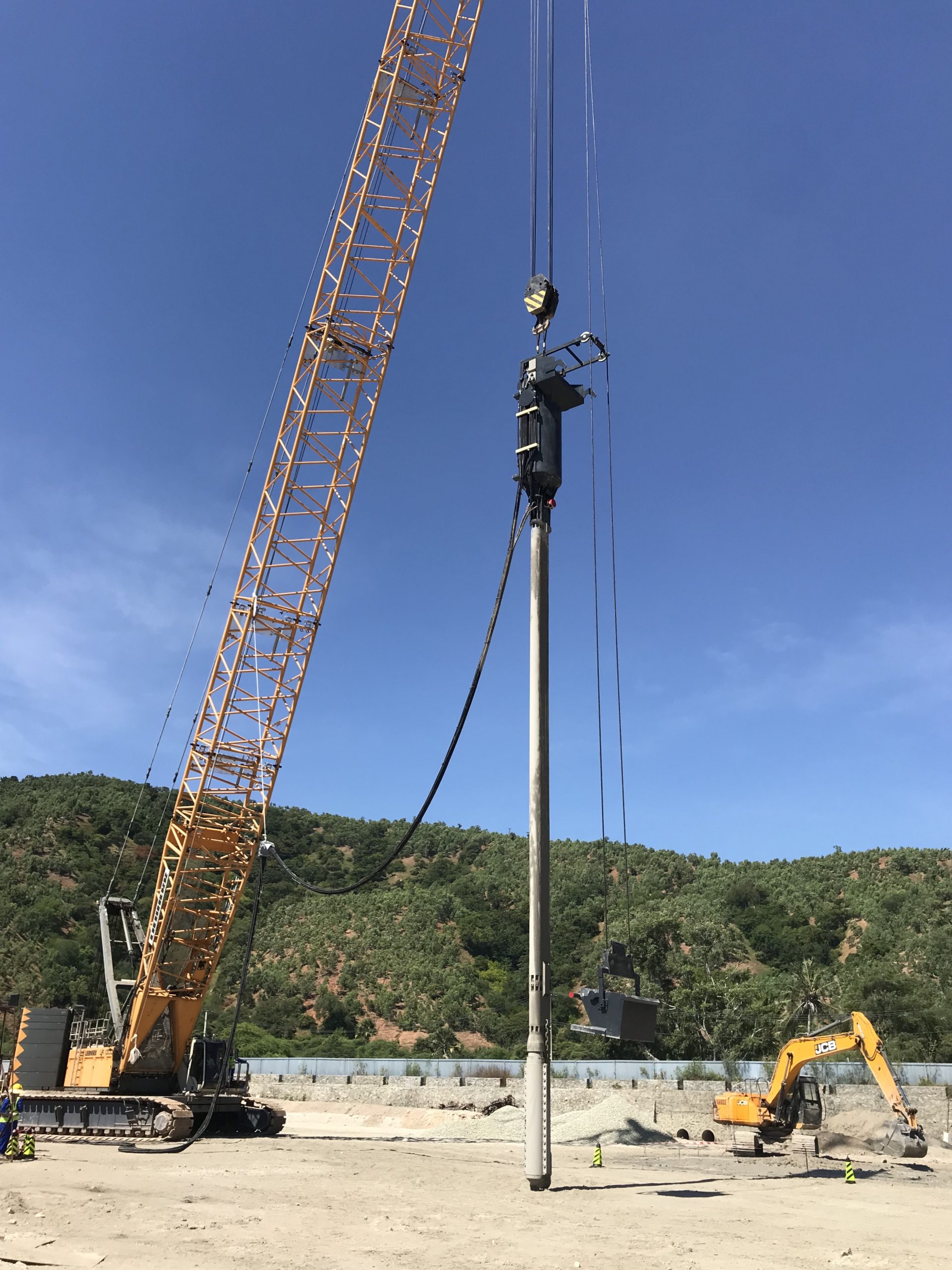
A core barrel is a vital tool used in the fields of geology, mining, and construction for obtaining cylindrical samples of soil, rock, or other materials from the earth. This equipment plays a crucial role in subsurface exploration, enabling engineers, geologists, and environmental scientists to analyze the composition and characteristics of the ground before commencing any construction or extraction activities.
Structure and Design
Core barrels come in various designs, but they typically consist of a hollow cylinder that can accommodate a core sample. The main components include:
- Outer Barrel: This is the main body that houses the inner core barrel and protects it during the drilling process.
- Inner Core Barrel: This section collects the core sample and is designed to minimize disturbance to the material being extracted.
- Cutting Edge: The bottom of the core barrel is fitted with a diamond or tungsten carbide bit that cuts through the geological layers as the barrel is drilled into the ground.
Types of Core Barrels
Core barrels are classified into several types based on their application and the method of drilling:
- Diamond Core Barrels: Equipped with diamond-tipped bits, these barrels are ideal for hard rock formations, providing high-quality samples with minimal loss.
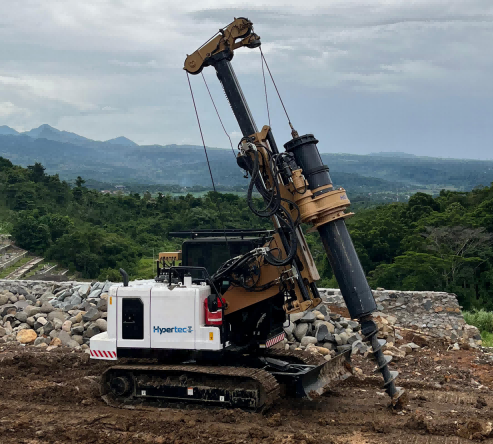
- Auger Core Barrels: These are used in softer soils and sediments, where the auger-like mechanism helps to gather samples without excessive disturbance.
- Wireline Core Barrels: Designed for efficiency, these barrels allow for rapid retrieval of core samples without needing to pull the entire drilling assembly out of the hole.


Applications
Core barrels are widely used across various industries, including:
- Mining: To explore mineral deposits and assess the viability of extraction.
- Civil Engineering: To evaluate soil conditions and determine the suitability for construction projects.
- Environmental Studies: To collect samples for contamination assessment and environmental impact studies.
Benefits of Using Core Barrels
- Quality Samples: Core barrels provide intact samples, allowing for accurate analysis of geological materials.
- Minimal Disturbance: The design of core barrels minimizes disturbance to the sample, preserving its original structure for better evaluation.
- Polyvalence: They can be used in various geological conditions, making them essential for diverse applications.
Conclusion
Core barrels are indispensable tools in geological exploration, providing essential data for informed decision-making in mining, construction, and environmental projects. Their ability to obtain high-quality samples with minimal disturbance makes them a preferred choice among professionals in the field. As technology advances, core barrels continue to evolve, enhancing their efficiency and effectiveness in subsurface exploration.