

Bullet Teeth Overview
1. Definition of Bullet Teeth
Bullet teeth, known as conical cutter bits or round shank cutter tools, are specialized cutting instruments utilized in various sectors including excavation, mining, tunneling, foundation drilling, trenching, and road milling. These tools are engineered to effectively penetrate tough materials like rock, concrete, asphalt, and compacted soil, ensuring durability and high performance in demanding conditions.
2. Composition & Main Features
A bullet tooth typically comprises:
- Tungsten Carbide Tip
- Offers remarkable hardness and resistance to wear.
- Ensures prolonged cutting efficiency in abrasive environments.
- Alloy Steel Body
- Treated for enhanced toughness and resistance to impact.
- Built to absorb shocks, preventing early failure.
- Wear Protection (Optional Enhancements)
- Some designs feature additional layers or hardfacing for increased longevity.
- Coatings such as tungsten carbide overlays further boost durability in challenging conditions.
- Clamping & Retention Mechanism
- Engineered for secure attachment to the toolholder.
- Certain models incorporate spring clips or locking systems to avoid loss during use.
3. Varieties of Bullet Teeth & Their Functions
- Foundation Drilling Teeth
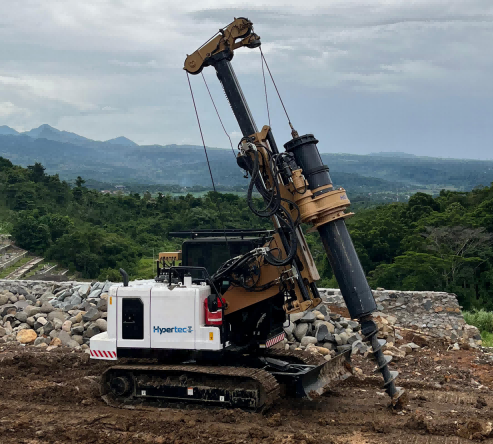
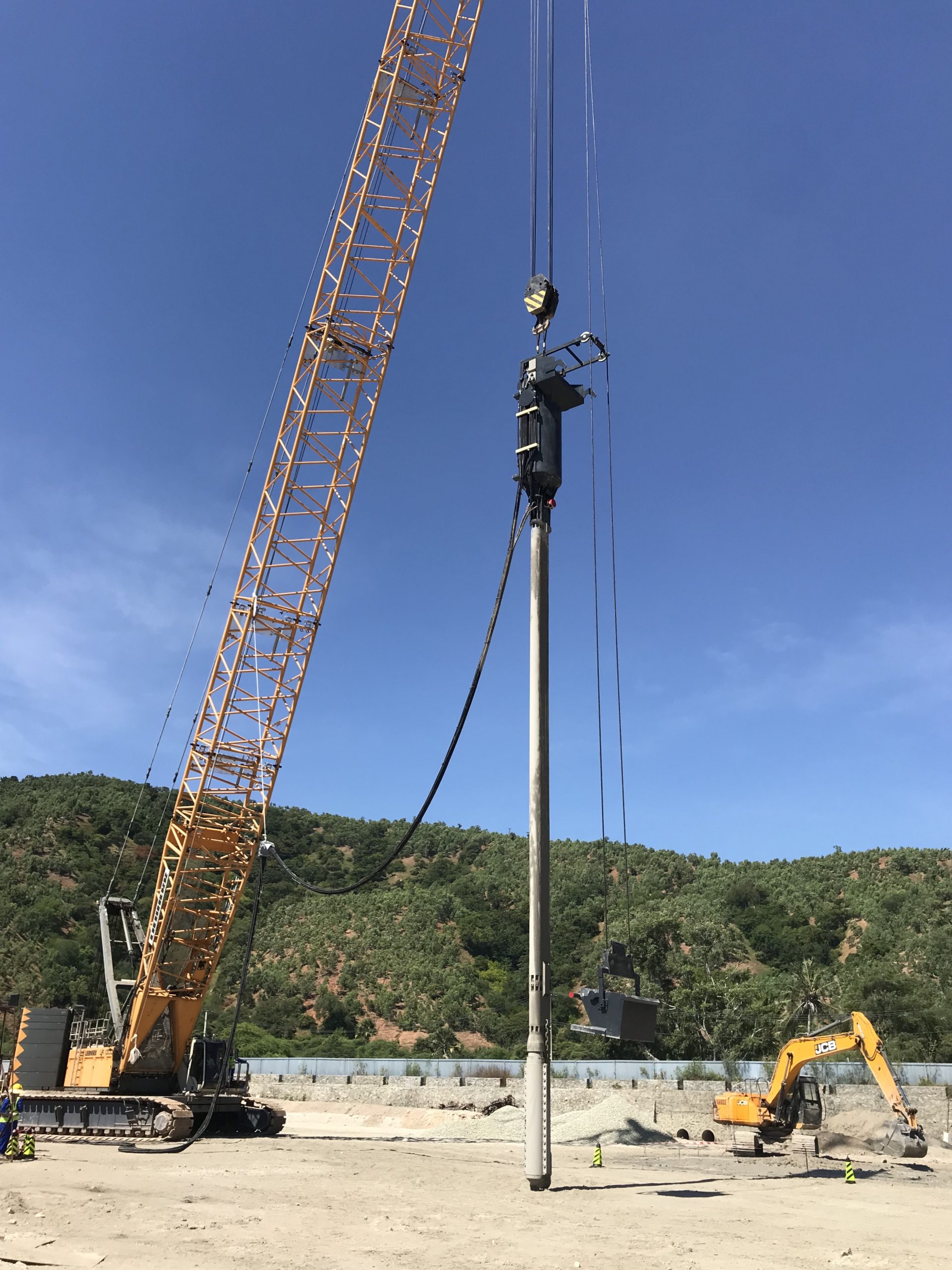
- Employed in piling rigs and rotary drills for deep foundation tasks.
- Commonly found in projects like bridges, skyscrapers, and wind turbines.
- Mining and Tunneling Cutter Bits
- Installed on continuous miners, roadheaders, and tunneling machines.
- Designed for cutting through hard rock, coal, and ore in both underground and surface mining operations.
- Trenching Teeth
- Mounted on trenchers for excavating trenches in soil, clay, and asphalt.
- Used in pipeline installation, cable laying, and irrigation work.
- Road Milling Bits
- Found on road milling equipment for removing surfaces of asphalt or concrete.
- Aids in road rehabilitation, resurfacing, and repair initiatives.
4. Benefits of High-Quality Bullet Teeth
- Extended Lifespan: Tungsten carbide tips and robust steel bodies provide exceptional durability, minimizing replacement needs.
- Enhanced Cutting Performance: Optimized angles and sharp edges facilitate smooth penetration with reduced resistance.
- Decreased Equipment Wear & Fuel Use: High-quality bullet teeth lower equipment stress, enhancing overall efficiency.
- Adaptability: Bullet teeth can be tailored to suit various cutting conditions and applications.
5. Factors to Consider When Selecting Bullet Teeth
When choosing bullet teeth, consider:
- Material Hardness: Opt for tougher carbide tips for abrasive materials, and softer tips for impact resistance.
- Shank Diameter: Ensure it matches the holder size for a secure fit.
- Wear Resistance: Look for additional coatings or reinforced designs for high-wear scenarios.
- Machine Compatibility: Confirm proper fitting with drilling rigs, trenchers, or milling machines.
Conclusion
Bullet teeth are crucial components in heavy-duty industries, delivering efficiency, durability, and cost savings. Investing in high-quality bullet teeth not only boosts productivity but also reduces downtime and prolongs the life of drilling, mining, and milling machinery.